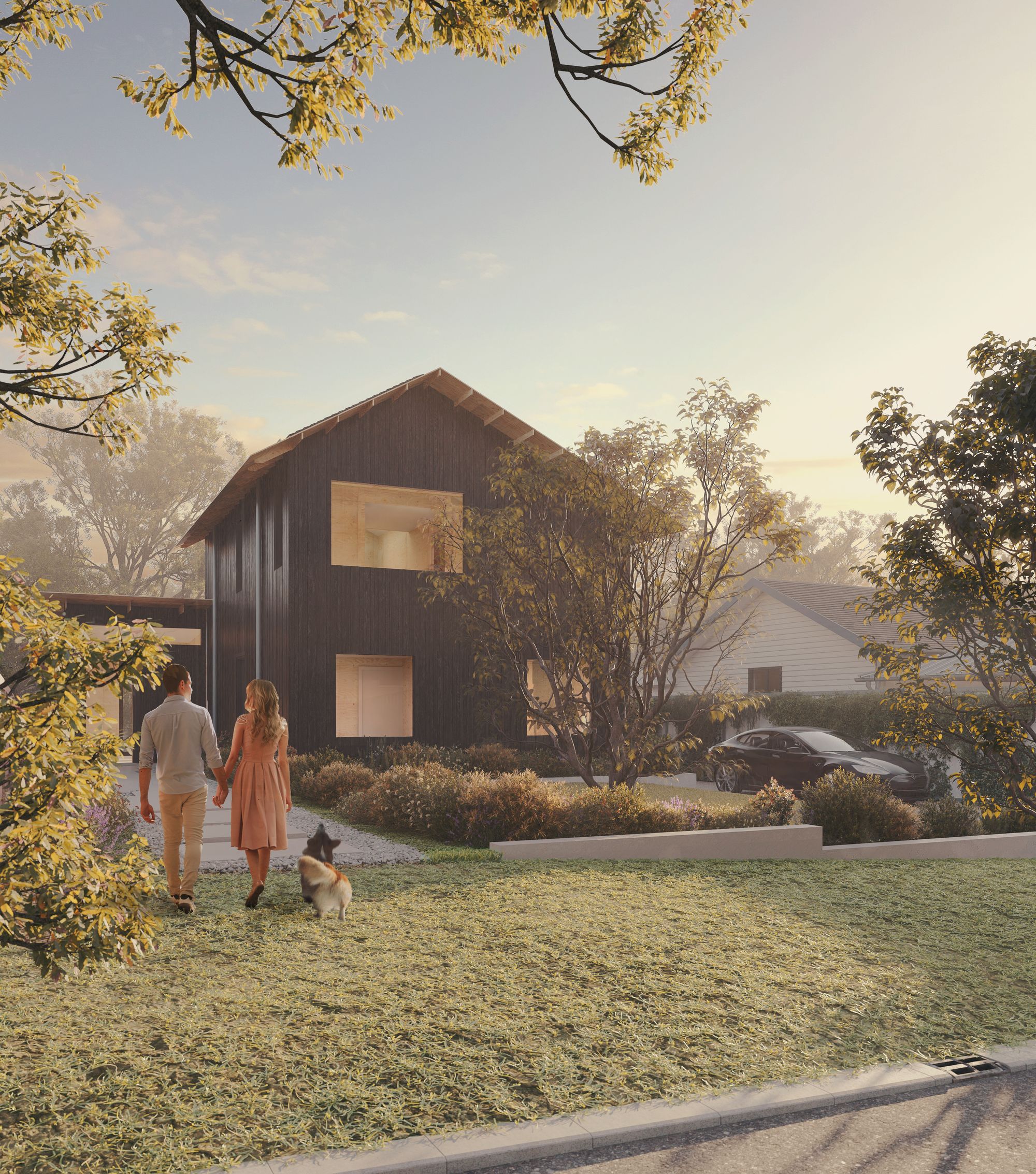
The carbon cycle and our built environment
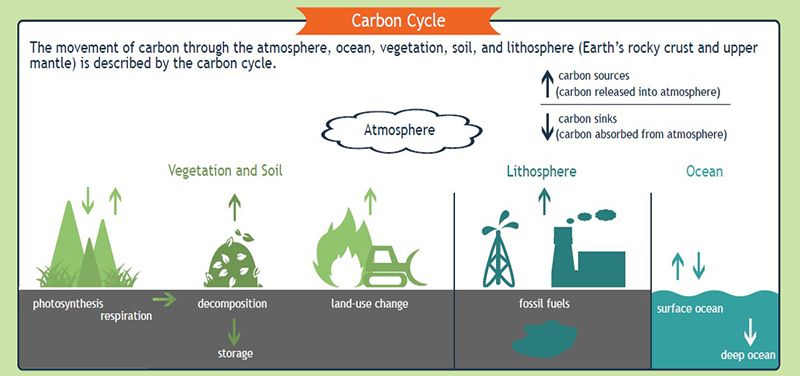
The flows and exchange of carbon in our natural processes is critical to our efforts to reduce operational and embodied carbon in our buildings and development. In nature, carbon is continuosly exchanged between the atmosphere and the oceans through processes like photosynthesis, respiration, decomposition and the dissolution of carbon dioxide in seawater. Additionally carbon is stored in the soil, rocks, and in fossil fuels like coal, oil and natural gas.
Human activities, such as burning fossil fuels, land use changes, and deforestation, have altered the natural balance of the carbon cycle, leading to an increase in atmospheric carbon dioxide concentrations and contributing to climate change.
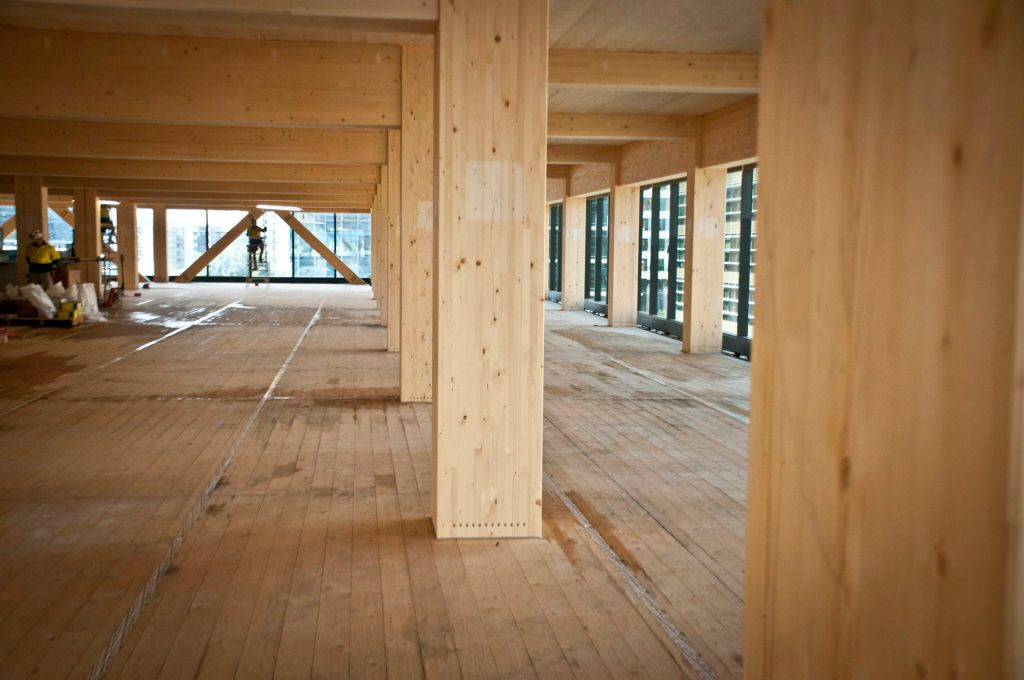
Buildings and their construction accounting for 39% of global carbon dioxide emissions, with 28% of those emissions attributed to operational carbon (energy use to power, heat and cool a building. The remaining 11% of carbon emissions are generated from building materials and construction. This is more than transportation (22% global carbon emissions) and Industry (30%). Unlike transportation where radical innovation may be required to substantively reduce emissions (e.g. complete transition from IC vehicles to EVs), buildings can simply look to become as energy efficient as possible and look to develop/promote use of materials with lower embodied carbon to scale its decarbonization efforts. Both these streams are already readily achievable through design methodologies such as the passivehouse standards and utilizing low embodied carbon materials such as mass timber.
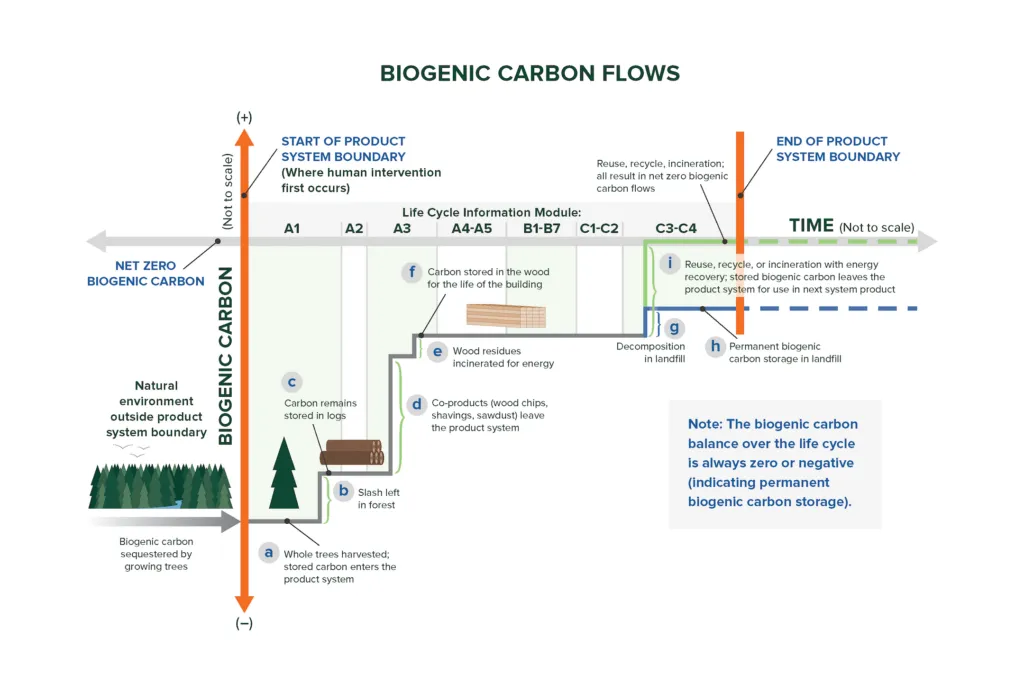
A study by the University of Washington found that a 12-story mass timber building had a carbon footprint that was 60-75% lower than a comparable concrete building. Similarly, a report by the Wood Product Council found that the embodied carbon of a mass timber building was up to 75% lower than a conventional steel and concrete building. Timber is also an unique material as it generates negative emissions as a biogenic carbon reservoir and commonly used in off-site construction which intrinsically reduces construction waste through fabrication.
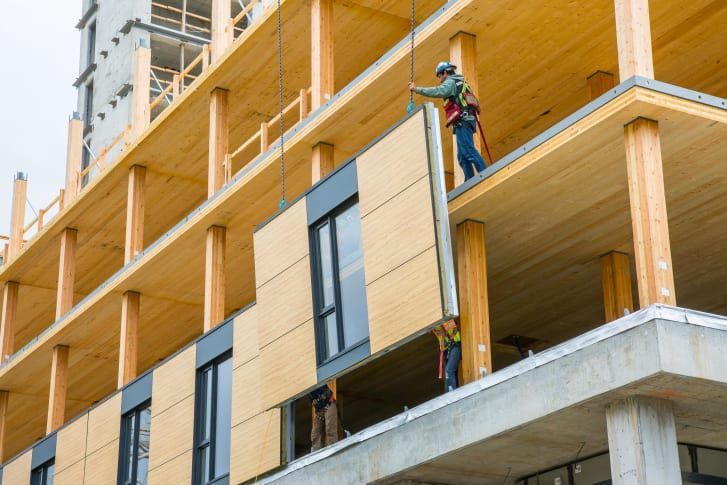
16LANDY will be our first project to make use of mass timber as its primary structural material and interior finish. Conceived as a net zero building, it will be a certified passive house project which means it will use up to 90% less energy than a comparable house and achieve reductions in whole of life embodied carbon.